Leander Independent School District (LISD)
UX Design Research
Austin Community College
April-May 2025
Problem: A school district in Leander, TX was looking to streamline the content on their website, but administrators were unsure of what pages to prioritize.
Approach: Background research, interviews, and usability tests were conducted to discover how parents were using the LISD website and the challenges they faced.
Result: 6 content subject areas and search optimization were recommended based on qualitative data and observed known-item seeking behaviors during usability testing.

Developing a Plan
News articles, demographic data, and social media platforms were mined to better understand the client and community sentiment to inform the research plan. Recommendations would need to consider decreasing student enrollment, staffing shortages, and a large budget deficit.
The research plan helped define:
UX research and business goals
Key metrics to measure task performance
Recruitment strategy
Interview question sequence
Interviews & Analysis
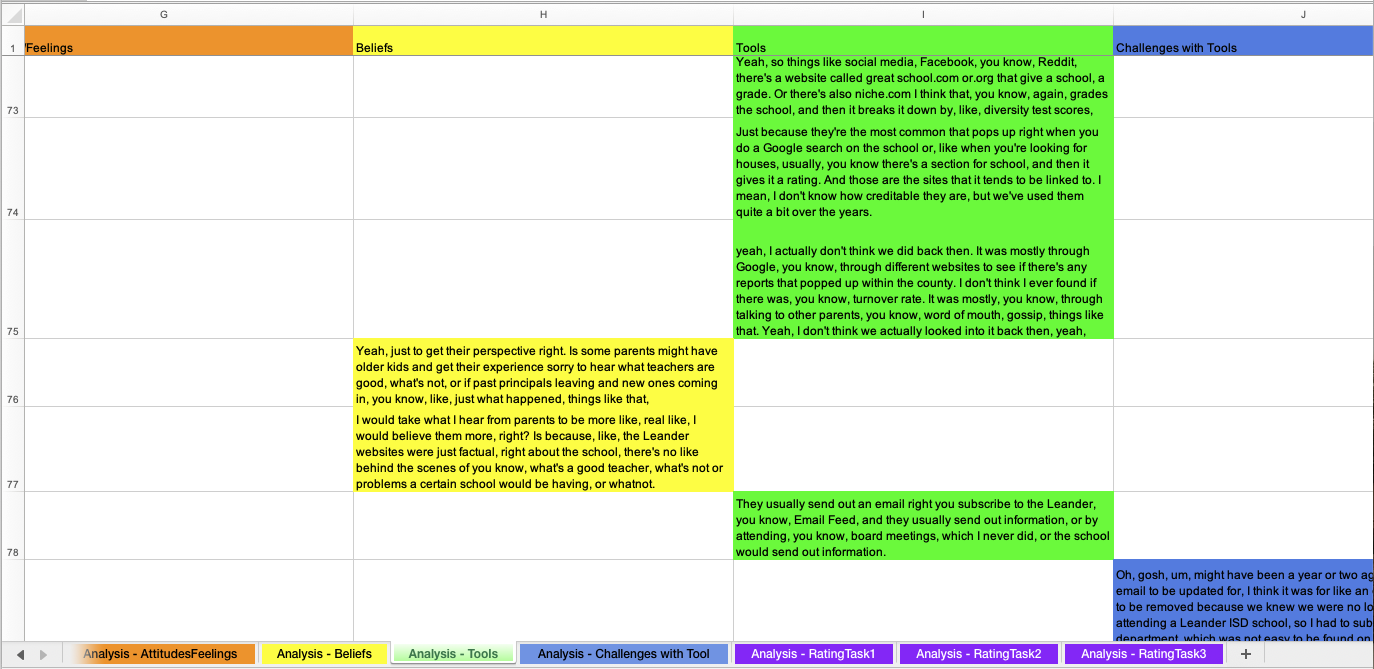
Audio recordings and transcriptions helped facilitate data coding.
Topic categories that appeared in greater frequency and ease-of-use ratings from usability tasks drove insights and recommendations.
Posts to NextDoor and neighborhood Facebook groups, flyers on community bulletin boards, and in-person recruitment were used. Cancellations were anticipated during recruitment; 60% of recruited participants made it to interviews, but this still satisfied sample size goals.
Qualitative data was collected to investigate:
District-related topic areas of interest to parents
Parents’ preferred information sources and ease-of-use ratings of those sources
Tasks that parents would use the LISD website to complete
Usability testing for 3 tasks were used to:
Observe information-seeking behaviors
Map navigation patterns and use of UI elements
Obtain ease-of-use ratings and user attitudes
Insights
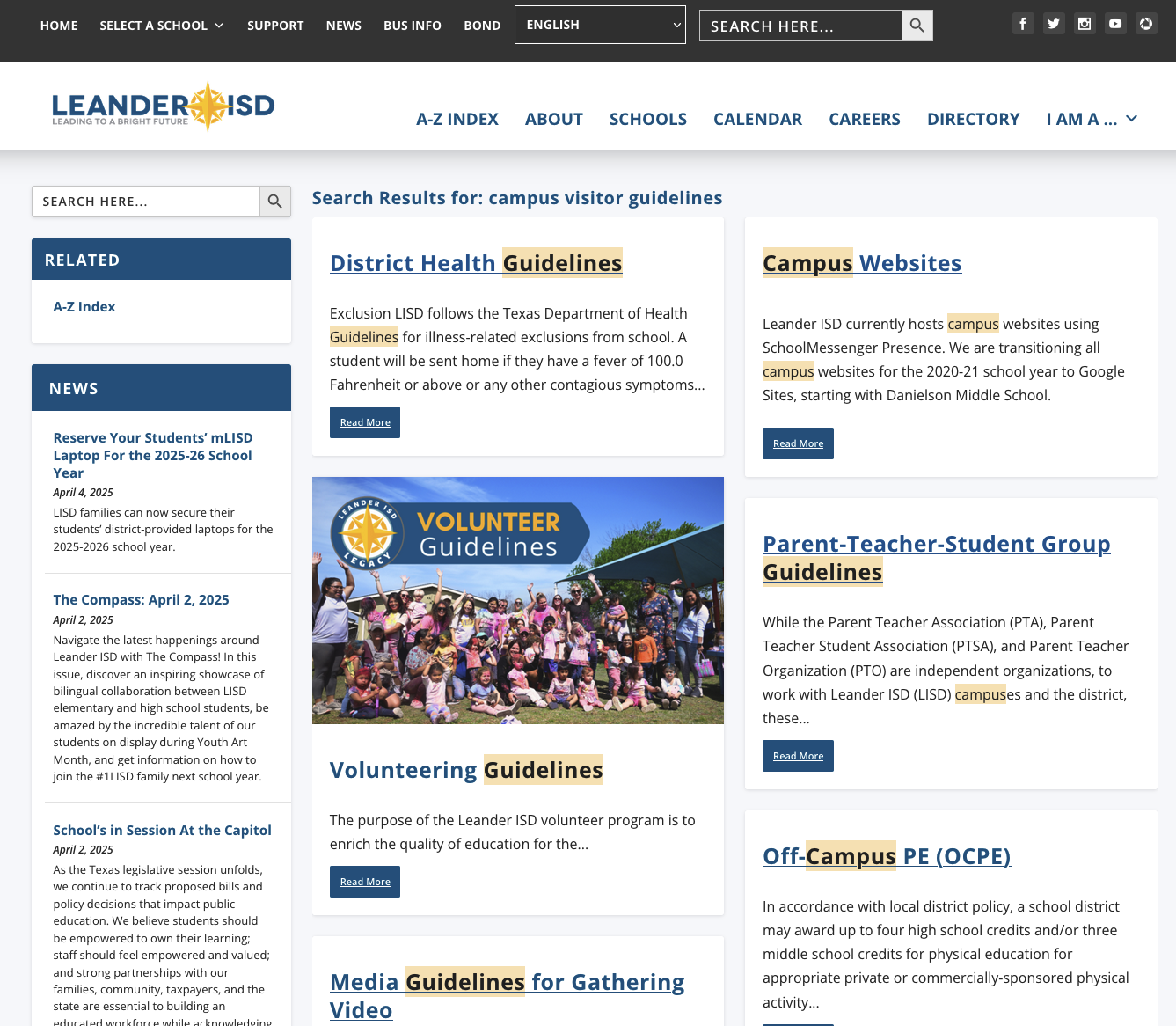
Tailor the site for known-item seeking behaviors including quick links, alphabetical lists, and improving search features.
Parents most preferred to use the website of their student’s individual school. If parents used the district website at all, they used it to find known items. They do not use the site to explore and peruse.
Participants quickly completed tasks where information was listed alphabetically, and reported higher ease-of-use scores. All participants used the search field—a common navigation pattern of known-item seeking—and were exasperated by low-accuracy results with no relevance ranking.

Parents trust other parents for information about the school district; there is a proximal relationship barrier to the district.
All participants expressed a level of distrust of the school district if they wanted to know how the district is performing.
Parents placed greater significance on anecdotes from other parents, such as conversations while waiting for the bus or on the playground. There might be an opportunity to feature content from parents, especially to connect with parents who are considering whether to send their student to LISD.
What I learned
Interviewing Skills
It is critical to remain neutral even as participants provide great insights, in order to prevent influence on the participant.
Analysis Challenges
Coding messy qualitative data helped capture frequency of thoughts and attitudes, but did not always capture depth of emotion or experiences.
Future Projects
Small usability issues can cause major friction. A journey map would have been a great way to visualize the shifts in attitudes as parents completed tasks on the website.